Behind the Scenes of a Cookbook Photo Shoot Day
Now that I have a few cookbooks under my belt, I wanted to share a peek behind the scenes into a day on set for a cookbook photo shoot. Shooting a cookbook is a massive undertaking. The days are long and full, but it’s an incredible experience that can be a ton of fun if you have the right team at work. Here’s what actually happens in a day on a cookbook photo shoot.
What a Cookbook Photo Shoot Day Actually Looks Like
The days on a cookbook set start fairly early: because we have a lot to get through, we’re trying to maximize the hours we spend together. Tons of work goes into actually planning the shoot ahead of time, before the team even gets to set. Hopefully, if everything went according to that plan, a lot of prep has been done by the food stylists ahead of kicking things off. There’s always a run of show document that’s updated every night before the morning call time, and that’s our guiding light for the day. It includes the plan of attack and what every shot needs before we move on.
Morning Setup: Lighting, Surfaces, and the First Test Shot
The first big thing we nail down while the final touches are being put on the first few plates and the props are being pulled is lighting. After we pick the surface that we’re using for the shot, I’ll set up my lights to fit the ambiance of the shot we’re working on. Usually, I test the light using the props we’re using in the final shot if the food styling team doesn’t need them. That allows me to really hone in on exactly what we want the lighting to be. Once we’re happy with the test shots, we bring in the food and start shooting.
The Recipe Rhythm: Styling, Shooting, Resetting, Repeat
It’s not uncommon to get through 10 recipes a day while on a cookbook photo shoot. After all, you have to be going at that pace to get through 80-100 recipes in a two week timeframe. Having an incredibly organized food styling team that can multi-task through prep, styling on set, and cleaning as they go is key to an efficient photo shoot of any kind, but especially a cookbook photo shoot.
Ideally, the big prep is done ahead of time. For example: if we’re shooting a shrimp stew that’s served with rice, the team has made the rice ahead of time, cut the vegetables for the stew, cleaned the shrimp, and prepared the broth. Maybe they even made the entire soup the day before and stored it in the refrigerator and will fire some fresh shrimp for the shot. The only “cooking” that needs to be done for the shot is the garnish, which in this case means picking the prettiest pieces of chopped herbs to top the stew. Once the dish is shot, they’ll clear the scene and the prop stylist (usually me!) will reset it for the next recipe.
A good team is able to get into a great rhythm for these shoots. That rhythm makes the day go fast!
How I Keep Images Consistent Across Dozens of Recipes
Photographing a cookbook is a delicate balance: you want the photos to be interesting and dynamic throughout the book, but not boring. To keep images consistent across a cookbook, I pull together a library of props, surfaces, and linens based on the creative direction that the author or team has given me. That way, I know the images will all have the same style.
But when you have a specific library of props, surfaces, and linens for a cookbook and you’re using the same style of lighting, it’s important to vary things up so not every photo looks the same. To help with this, I print a quick edit of each hero photo to pin up on the wall once we’ve finalized a recipe. That way, you can see the way the book is unfolding and ensure the photos are consistent but not repetitive.
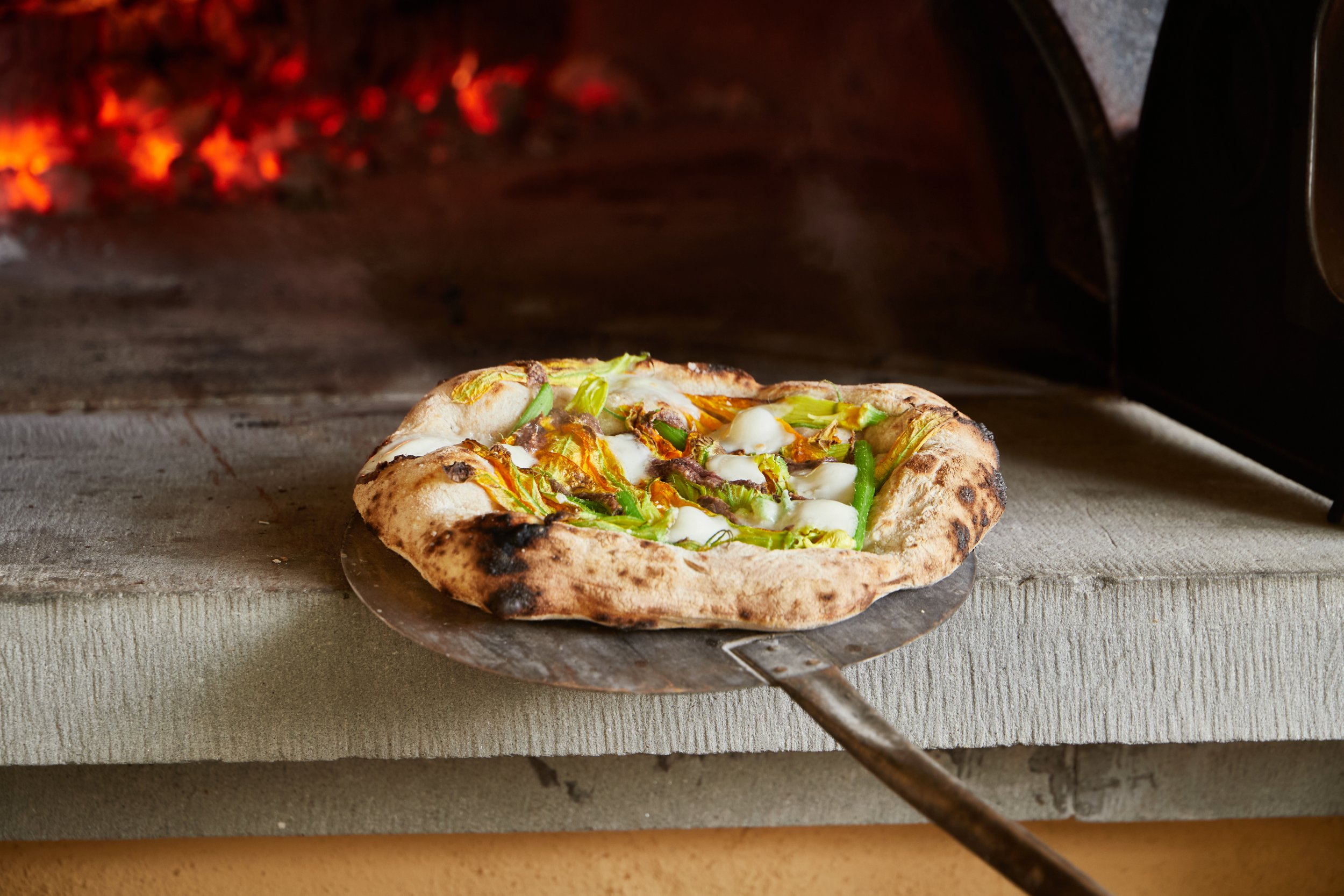
Photo from Enzo’s Kitchen: Savoring the Seasons at Poggio La Noce.
Types of Cookbook Photography
In cookbooks, I like to get a good variety of shots to hand to the design team. Of course, this includes the final shot of each dish—often called the hero shot—but can also span a variety of other photo types. I like to include process shots, especially if the author is on-set to showcase their specific techniques. I also find ingredient shots a great way to add variation to the photos. Of course, if we’re on location somewhere beautiful, some landscapes will also make their way in.
A good cookbook will use a blend of all of these photos to tell the story of the food.
End-of-Day Workflow: Backups, Notes, and Prep for the Next Shoot
At the end of the day, the first thing I do is make a backup of everything we shot that day. There is nothing—nothing!—more devastating than losing an entire day of work, especially since the food will have to be remade if you need to reshoot it.
I usually make a few notes for myself about the lighting or studio techniques I want to use again the next day, and the team will quickly debrief about what went well or what needs work for the next day. From there, the food styling team will make sure all of the prep for the next day is done, and we’ll call it a day.
Why Cookbook Shoots Require More Planning Than People Expect
If you think this sounds like a lot of work, you’re right! It’s a huge production with lots of stakeholders and a very important final deliverable. That’s why I always try to stay as organized as possible during my cookbook photo shoots. It’s so worthwhile, though, especially when a client gets to see the photos in the book for the first time. When recipes come to life through excellent photography, it’s magical!
Want to learn more about my cookbook photography? Take a look at my past work here or book a call to learn more.